1. Safety talk
The team explains how to avoid sticks, what to do if someone is exposed and who should stay out of the area.
Henagar, AL · DeKalb County
Worried about what is hiding in drawers, bags or a vacant building in Henagar? Call (877) 812-4220. Crews check the whole space, collect sharps with tools and clean up afterward.
If anyone is in danger, call 911 first. For a suicide crisis, call or text 988.
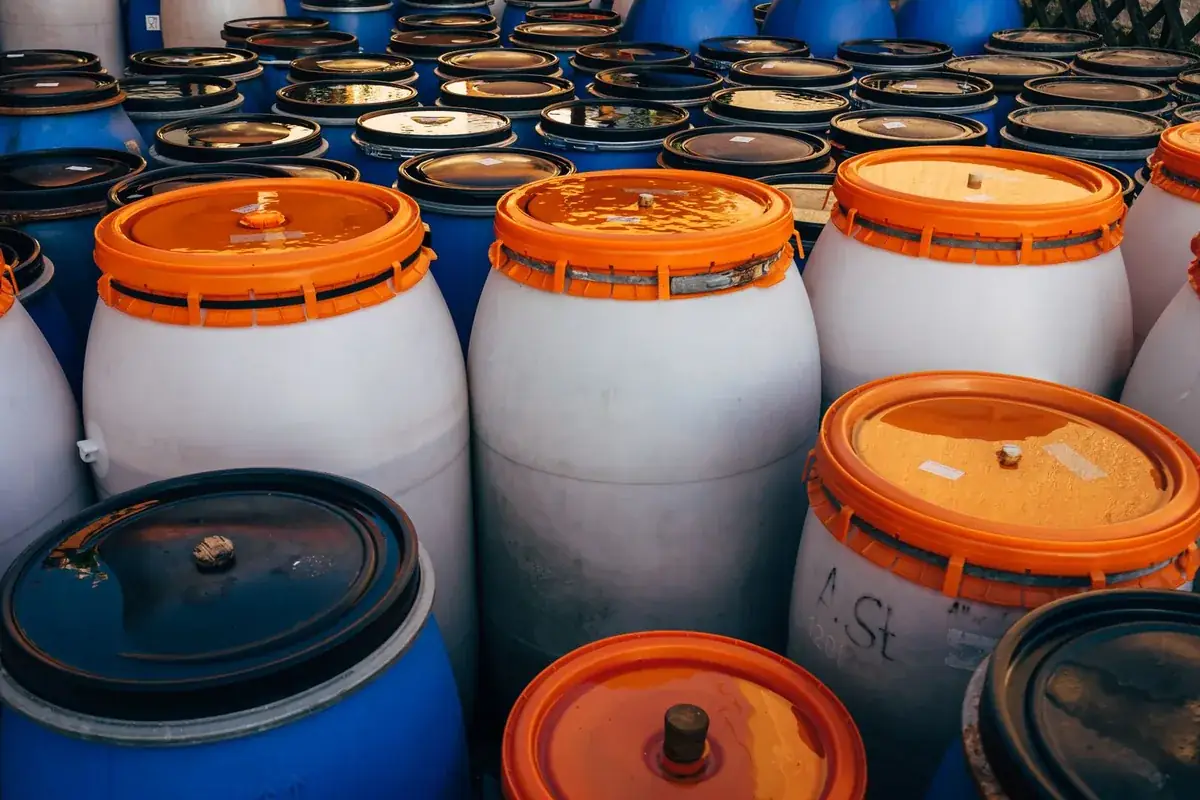
Used needle disposal means placing needles and syringes into rigid containers made to resist punctures, then sending them to a facility that treats medical waste. It keeps workers, children and pets safe.
You will not be judged when you call Henagar Biohazard Cleanup Help about needles in Henagar or DeKalb County. Crews focus on making the property safe and on disposing of sharps properly, following the rules for regulated medical waste.
Most homes in DeKalb County are owner occupied, with renters at about 22% of households, so many needle calls come from families clearing a home or yard. A stick, cut or splash should be checked by a doctor without delay. Dekalb Regional Medical Center in Fort Payne serves people in and around Henagar.
What needle & sharps cleanup covers:
The team explains how to avoid sticks, what to do if someone is exposed and who should stay out of the area.
Cleanup technicians wear puncture-resistant gloves, eye protection and boots for the sweep.
Containers are sealed, loaded and taken away. They leave the property as one load.
The room is cleaned, odors are handled if needed, and the owner gets a summary of the work.
The cost of needle & sharps cleanup in Henagar, AL depends on the amount of material, how it is packed and how it is hauled.
Disposal as regulated medical waste is part of the work, and treatment facilities charge by container or weight.
| Type of job | Typical range |
|---|
These ranges come from published cost guides () and are not a quote for Henagar. Price drivers include number of items, where they are found, whether a sweep of a large area is needed, waste disposal. For a real number, call (877) 812-4220.
Some cities and counties collect found needles from public land at no charge, and many do not. Availability varies. The local health department or public works office can say what exists where you live, and a cleanup team can help with private property.
Sometimes. Some homeowners and renters policies cover cleanup after a covered event, and many do not cover needles on their own. Call your insurance company before work starts, take photos from a safe spot, and keep every receipt. Check your policy rather than assuming.
Yes. Dogs and cats may sniff, chew or step on sharps. Keep pets away from the area until a cleanup team has searched it. If a pet is stuck or swallowed something, call a veterinarian right away.
It is a rigid, puncture-resistant box with a locking lid, made to hold needles, syringes, lancets and blades. Cleanup teams use them to seal sharps for transport. Containers should not be overfilled or opened again once locked.
Safer options exist. Many cities and health departments have programs for found needles and may give instructions or send someone. If you are unsure, do not touch it. Leaving a needle in place and keeping others away is safer than risking a stick.
The crew cleans and disinfects surfaces where sharps lay, bags soiled items for disposal and checks the area again. If odor or residue is present, the team can address it or suggest the next step.
A full sweep finds the needles you can see and the ones you cannot.
Call (877) 812-4220